Travel Insurance for Yala Peak Climbing
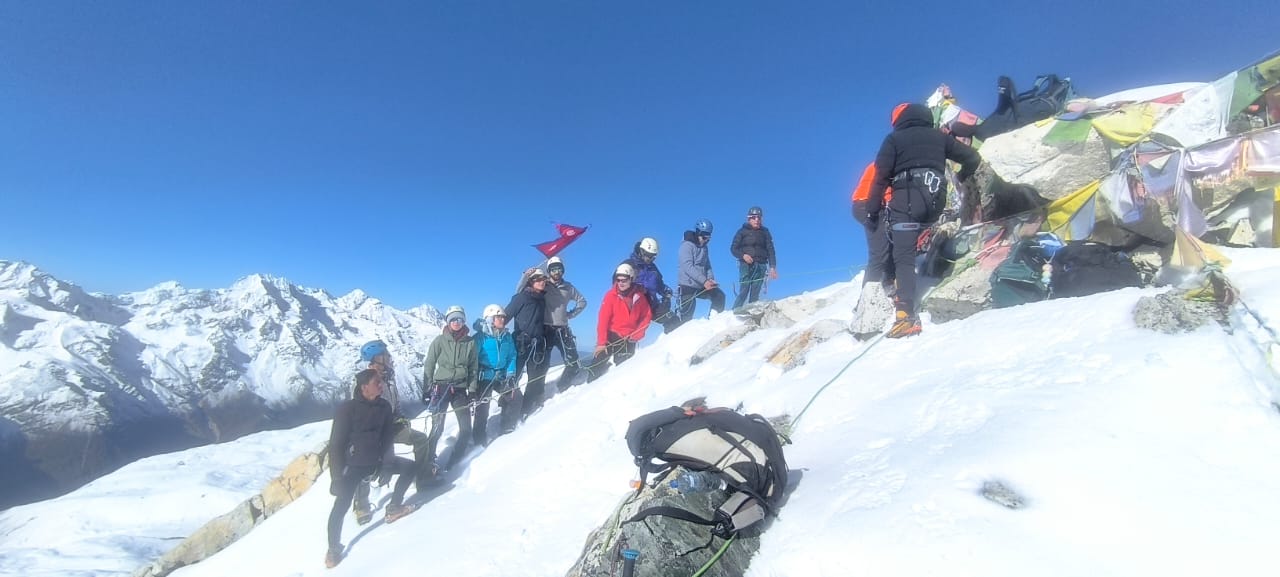
Travel insurance is a mandatory and essential part of preparing for the Yala Peak Climbing expedition. Standing at an elevation of 5,732 meters (18,806 feet), Yala Peak is one of Nepal's most popular beginner-friendly trekking peaks, located in the beautiful Langtang region. Although it is considered a non-technical peak, the climb takes you into remote high-altitude areas where weather conditions can change rapidly and medical facilities are very limited. In the event of an accident, injury, or altitude-related illness, emergency helicopter rescue may be the fastest and safest way to receive medical assistance.
Nepal Voyage Treks Pvt. Ltd. strongly recommends that every climber purchase comprehensive travel insurance before traveling to Nepal. A suitable insurance policy provides financial protection against unexpected situations and ensures that emergency support can be arranged quickly if needed during your expedition.
Why Do You Need Travel Insurance for Yala Peak Climbing?
Yala Peak is often recommended for first-time climbers who want to experience Himalayan peak climbing. However, climbing above 5,700 meters still exposes you to the risks associated with high altitude, including reduced oxygen levels, rapidly changing weather, and physically demanding terrain. Even on a relatively straightforward climb, emergencies can occur unexpectedly.
A comprehensive travel insurance policy ensures that you receive timely medical assistance and financial protection throughout your journey.
With the right insurance, you can benefit from:
- Emergency helicopter rescue and evacuation from any point along the Yala Peak climbing route.
- Search and rescue operations in remote mountain areas if required.
- Medical treatment, hospitalization, and emergency healthcare.
- Coverage for altitude-related illnesses, including Acute Mountain Sickness (AMS), High Altitude Pulmonary Edema (HAPE), and High Altitude Cerebral Edema (HACE).
- Protection against trip cancellation, interruption, or travel delays caused by weather or unforeseen circumstances.
- Coverage for lost, delayed, or damaged baggage and climbing equipment, depending on your policy.
- Peace of mind throughout your expedition.
What Should Your Insurance Cover?
Before purchasing your travel insurance, carefully review the policy to ensure it provides adequate protection for high-altitude trekking and peak climbing.
1. High-Altitude Peak Climbing Coverage
Your insurance policy must clearly cover peak climbing up to at least 6,000 meters, as Yala Peak reaches 5,732 meters. Some standard travel insurance policies exclude climbing activities above certain elevations, so always verify that Yala Peak Climbing is specifically included in your coverage.
2. Emergency Helicopter Rescue and Evacuation
Yala Peak is located in the remote Langtang region, where access to advanced medical care is limited. If you experience severe altitude sickness, injury, or another emergency, helicopter evacuation may be the only safe and practical rescue option.
Your insurance policy should include:
- Emergency helicopter rescue from trekking trails, base camp, high camp, or climbing routes.
- Air evacuation to the nearest appropriate medical facility.
- Search and rescue operations when required.
- Emergency transportation expenses.
Helicopter rescue in the Langtang region can cost between USD 4,000 and USD 8,000 or more, depending on the rescue location, weather conditions, and operational requirements. Nepal Voyage Treks Pvt. Ltd. strongly recommends choosing an insurance policy that provides at least USD 100,000 in medical expenses and emergency evacuation coverage.
3. Medical Expenses
Your insurance policy should provide comprehensive coverage for:
- Emergency medical treatment.
- Hospitalization.
- Doctor consultations.
- Prescription medications.
- Diagnostic tests.
- Treatment for altitude-related illnesses.
- Emergency transportation.
Having adequate medical coverage helps protect you from significant healthcare costs in case of an emergency.
4. Trip Cancellation and Trip Interruption
Weather conditions, transportation disruptions, illness, or unexpected personal emergencies may affect your climbing schedule. A comprehensive insurance policy should reimburse eligible non-refundable expenses if your trip is cancelled, delayed, or interrupted.
5. Baggage and Climbing Equipment
Although Yala Peak is considered a beginner-friendly climb, it still requires specialized climbing equipment, including mountaineering boots, crampons, a helmet, harness, trekking poles, warm clothing, and sleeping gear. Insurance that covers lost, stolen, or delayed baggage and climbing equipment can help reduce unexpected financial losses.
6. Personal Liability
Personal liability coverage protects you if you accidentally cause injury to another person or damage someone else's property during your expedition.
Recommended Travel Insurance Providers
Several international insurance providers offer policies suitable for high-altitude trekking and trekking peak climbing. Popular options include:
- World Nomads
- Allianz Travel Insurance
- Global Rescue
- True Traveller (for eligible European residents)
- AXA Assistance
Insurance policies vary depending on your country of residence and the provider you choose. Before purchasing a policy, confirm that it specifically covers Yala Peak Climbing, high-altitude trekking and peak climbing, emergency helicopter rescue, search and rescue operations, and medical evacuation above 5,700 meters.
Important Documents to Carry
Before starting your expedition, make sure you carry the following documents:
- A printed copy of your travel insurance policy.
- A digital copy stored on your mobile phone or accessible via email.
- Your insurance policy number.
- Emergency contact numbers for your insurance provider.
- Copies of your passport, visa, permits, and other important travel documents.
It is also recommended that you provide your insurance details to your climbing guide and the Nepal Voyage Treks Pvt. Ltd. office before the expedition begins. Having this information readily available helps ensure that emergency helicopter rescue, medical treatment, and other assistance can be arranged quickly if needed during your Yala Peak Climbing adventure.
Tips for Climbing Sherpas, Guides, Porters, and Support Staff
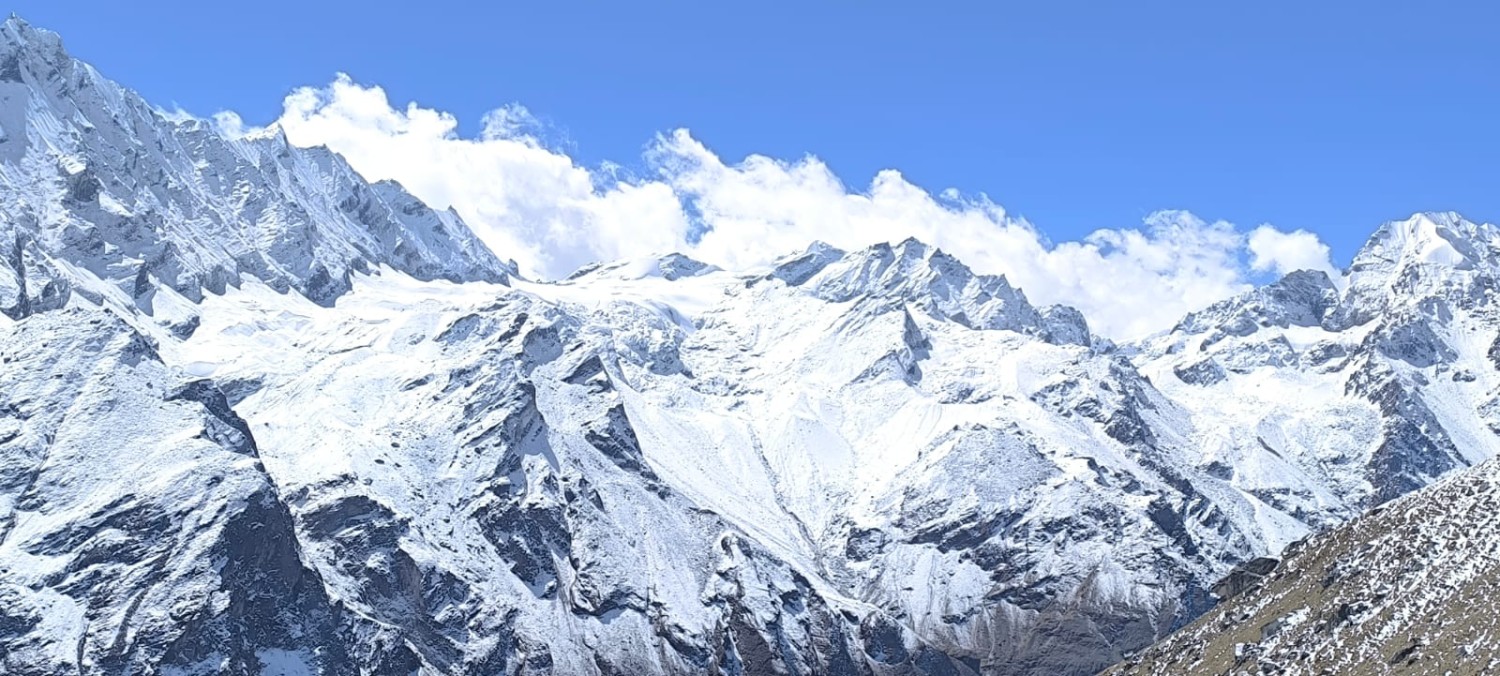
A Yala Peak Climbing adventure is an excellent introduction to Himalayan mountaineering, combining the beautiful Langtang Valley Trek with the thrill of climbing one of Nepal's most accessible trekking peaks. Standing at 5,732 meters (18,806 feet), Yala Peak offers spectacular views of Langtang Lirung, Dorje Lakpa, Gangchempo, Shishapangma (8,027 m) in Tibet, Ganesh Himal, and the surrounding snow-covered mountains. Although Yala Peak is considered a beginner-friendly trekking peak, it still requires good physical fitness, proper acclimatization, and the guidance of experienced climbing professionals.
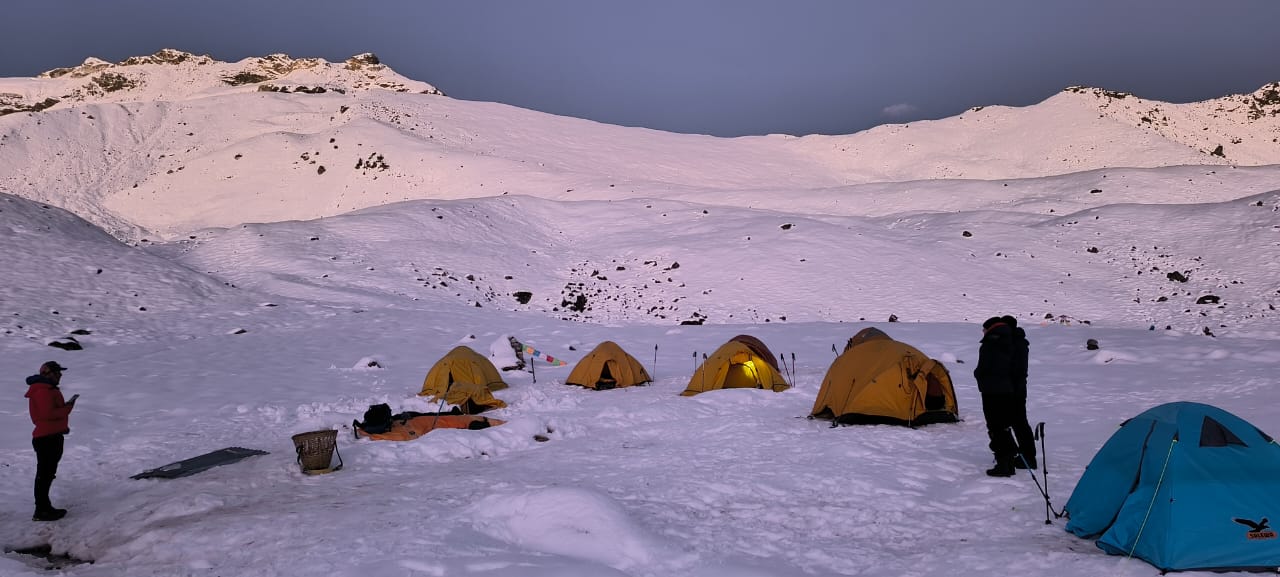
Throughout the expedition, your climbing Sherpas, trekking guides, porters, cooks, and support staff work hard to ensure your safety and comfort. They organize logistics, carry equipment, prepare meals, establish camps, monitor your health, and guide you safely during the summit ascent.
Tipping is a respected tradition in Nepal's trekking and mountaineering industry. While it is not compulsory, it is a meaningful way to express your appreciation for the dedication, professionalism, and hard work of the team that helps make your Yala Peak climbing adventure safe and successful.
1. Guide, Climbing Sherpa, Porter, and Support Staff Wages
Professional climbing Sherpas, trekking guides, and porters receive wages based on their experience, responsibilities, expedition duration, and company policies. Reputable operators such as Nepal Voyage Treks Pvt. Ltd. ensure that their staff receive fair wages, proper insurance, accommodation, meals, and appropriate climbing equipment.
During your Yala Peak Climbing expedition, your support team is responsible for:
- Guiding you safely along the trekking and climbing route.
- Monitoring your health and acclimatization.
- Providing basic climbing instruction and equipment checks.
- Assisting with ropes and safety equipment where necessary.
- Carrying climbing equipment and expedition supplies.
- Preparing meals and organizing camps.
- Assisting during emergencies and coordinating rescue operations if required.
Although these services are included in your expedition package, tipping is a thoughtful way to recognize outstanding service and dedication.
2. How Much Should You Tip?
Tipping is entirely voluntary and should reflect the quality of service you receive throughout your expedition.
Recommended Tipping Guidelines
| Expedition Staff |
Recommended Tip |
| Climbing Sherpa |
USD 100–200 per climber |
| Trekking Guide |
USD 80–150 per climber |
| Porter |
USD 40–80 per climber |
| Kitchen Staff |
USD 30–60 per climber |
| Assistant Guide |
USD 50–100 per climber (if applicable) |
The amount you choose to tip may depend on:
- The duration of the expedition.
- The quality of service provided.
- The size of your climbing group.
- The level of personal support you received.
- Whether your climbing Sherpa accompanied you during the summit climb.
- Your overall climbing experience.
Many climbers choose to offer a higher tip to their climbing Sherpa because they are responsible for your safety during the summit ascent.
3. Group Tipping
If you are climbing as part of a group, it is common to collect everyone's contributions and present the tips together at the end of the expedition.
Group tipping is a respectful way to thank the entire climbing team while ensuring every member receives fair recognition for their hard work and dedication.
Most climbers present their tips during the farewell dinner in Kathmandu or after completing the Langtang trekking route.
4. Respecting Your Climbing Team
A successful Yala Peak climb depends on teamwork, communication, and mutual respect. Your climbing Sherpas have valuable experience in the Langtang region and understand the mountain's terrain, weather, and climbing conditions.
Respect Your Climbing Sherpa and Guide
Your climbing Sherpa is responsible for your safety throughout the expedition and provides valuable support during the summit climb.
Always:
- Follow all safety briefings.
- Listen carefully to your guide's instructions.
- Respect decisions regarding weather and climbing conditions.
- Inform your guide immediately if you feel unwell or experience symptoms of altitude sickness.
Their knowledge and experience help ensure a safe and enjoyable climbing experience.
Respect Your Porter
Porters work extremely hard to carry your climbing equipment and personal luggage through mountain trails.
Please remember:
- Keep your luggage within the recommended weight limit provided by your trekking company.
- Avoid packing unnecessary items.
- Treat your porter with kindness, patience, and respect throughout the expedition.
Responsible trekking supports fair working conditions and contributes to sustainable mountain tourism.
5. Safety Comes Before the Summit
Standing on the summit of Yala Peak is a rewarding achievement, but returning safely is always the highest priority.
If your expedition leader or climbing Sherpa advises postponing or cancelling the summit attempt because of:
- Severe weather.
- Heavy snowfall.
- Strong winds.
- Poor visibility.
- Altitude sickness.
- Unsafe climbing conditions.
Always respect their decision. Mountains will always remain, and making safe decisions protects your health and future climbing opportunities.
6. When and How to Tip
The best time to present tips is after the expedition has been completed, usually during the farewell dinner or after returning to Kathmandu.
For a respectful presentation:
- Place your tip inside an envelope.
- Hand it directly to each individual whenever possible.
- Personally thank them for their dedication and support.
- A simple "Dhanyabad" (Thank you) is always warmly appreciated.
A sincere expression of gratitude often means just as much as the financial reward.
7. Other Ways to Show Appreciation
Besides tipping, there are many thoughtful ways to thank your climbing team.
You can:
- Personally thank your climbing Sherpa and guide after the expedition.
- Share expedition photographs with your team.
- Leave positive reviews on Google or TripAdvisor mentioning staff members by name.
- Recommend Nepal Voyage Treks Pvt. Ltd. to friends and fellow climbers.
- Stay connected with your climbing team after returning home.
These gestures help support Nepal's mountain professionals and recognize their dedication.
8. Quick Summary
| Aspect |
Recommendation |
| Climbing Sherpa Tip |
USD 100–200 per climber |
| Trekking Guide Tip |
USD 80–150 per climber |
| Porter Tip |
USD 40–80 per climber |
| Kitchen Staff Tip |
USD 30–60 per climber |
| When to Tip |
At the end of the expedition |
| How to Tip |
Present personally in an envelope with a sincere thank you |
| Best Practice |
Respect your climbing team, follow safety advice, and tip according to the quality of service received |
Final Note
Yala Peak Climbing is an ideal introduction to Himalayan mountaineering, offering a rewarding summit experience and breathtaking views of the Langtang Himalayas. Behind every successful climb is a dedicated team of climbing Sherpas, guides, porters, cooks, and support staff who work hard to ensure your expedition is safe, comfortable, and enjoyable.
By offering fair tips, treating your climbing team with respect, and expressing genuine appreciation for their hard work, you support Nepal's mountaineering community and recognize the professionals whose expertise and commitment make your Yala Peak Climbing adventure an unforgettable experience.